 DogsLife
Breed profile
Pug: size, sleep, exercise and care
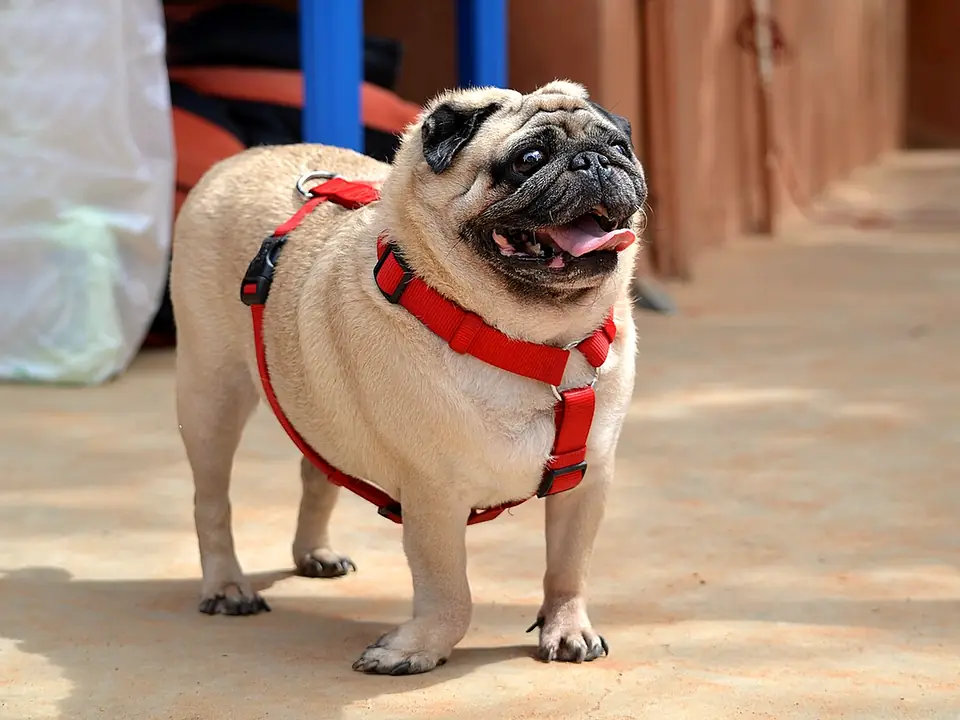
The Pug is a compact, square little dog of 6.5–8 kg with a short, flat face. It is cheerful and affectionate, but its short muzzle means breathing and heat need extra attention every day.
At a glance
- Size
- Small
- Adult weight
- 6.5–8 kg
- Height at the shoulder
- 25–33 cm
- Life expectancy
- 13–15 years
- Exercise needs
- Moderate · 30–60 min per day
Sleep needs
Typical total sleep per 24 hours, including naps.
| Puppy | Adult | Senior |
|---|---|---|
| 18–20 h | 12–14 h | 12–15 h |
These are general life-stage ranges for dogs from the AKC and Hill's Pet Nutrition; no kennel club publishes sleep figures for the Pug specifically. Loud snoring is common in Pugs, but laboured breathing, gasping or waking up struggling for air is not normal. SKK runs a breathing health programme for the breed; mention any sleep-time breathing problems to your vet.
Exercise needs
The Royal Kennel Club guideline is up to an hour a day, best split into easy walks. SKK notes that the short skull raises the risk of breathing problems, and the AKC lists short-snouted breeds among the dogs that need extra caution in warm weather. Walk in the cool morning and evening, skip exercise on hot days, keep the dog lean and stop if breathing becomes noisy or strained. A harness is kinder than a collar for a Pug.
Potty training
Pug puppies respond well to food rewards and routine. Go out after every nap, meal and play session, and keep the trips short and calm in hot or very cold weather.
Because Pugs can struggle in the heat, have a shaded spot in the garden and avoid long waits outside in summer sun while you wait for the puppy to go. A puppy potty schedule helps you time breaks so you are not standing out for long.
Puppy potty schedule calculator →
Feeding
Pugs love food and gain weight easily, and extra weight makes breathing harder. Measure every meal, count treats and check the waistline often.
Puppies do well on three or four small meals; adults on two. SKK notes that food can collect inside the lips and that tooth brushing is recommended, and the nose fold should be wiped clean regularly as part of the after-meal routine.
Frequently asked questions
How much exercise does a Pug need?
Up to about an hour a day according to the Royal Kennel Club, in short, easy walks. Avoid exercise in heat and stop if breathing becomes strained.
Is it normal for a Pug to snore?
Snoring is common in flat-faced breeds, but gasping, choking or struggling for air during sleep should be checked by a vet.
How warm is too warm for a Pug?
There is no single number. Short-snouted dogs overheat more easily than other dogs, so keep walks to the coolest part of the day and watch for heavy panting.
Sources
- Mops – rasbeskrivning — Svenska Kennelklubben (SKK)
- Pug dog breed information — American Kennel Club
- Pug breed information — The Royal Kennel Club
- Heatstroke in Dogs — American Kennel Club
- Att köpa en kortnosig hund — Svenska Kennelklubben (SKK)
- How Much Do Puppies Sleep? — American Kennel Club
- How Much Should My Dog Sleep Per Day? — Hill's Pet Nutrition
- Can Senior Dogs Sleep Too Much? How Much Should Older Dogs Sleep? — American Kennel Club
- How to Potty Train a Puppy — American Kennel Club