 DogsLife
Free tool
Puppy potty schedule calculator
Enter your puppy's age, wake-up time and bedtime. You get roughly how long it can hold it, how often to go out during the day, whether it is likely to need a night trip, and a sample day you can stick on the fridge.
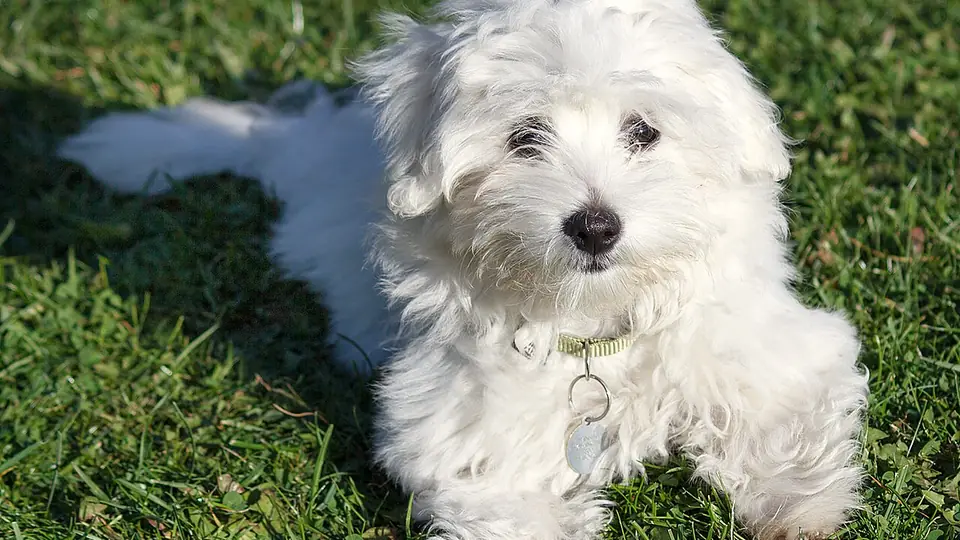
A puppy can usually hold its pee for about as many hours as its age in months, or one more: about 2–3 hours at 8 weeks and 3–4 hours at 12 weeks. While it is awake, take it out at least every 2–4 hours (never more than 4 hours before 6 months), plus straight after every nap, meal and play session, and plan on night trips until about 5 months.
How the schedule is worked out
The calculator combines a few widely used guidelines from vets and animal-welfare organisations. None of them is an exact science, so read the result as a starting point.
- How long your puppy can hold it. The best-known rule of thumb is that a puppy can hold its bladder for about as many hours as its age in months. VCA's puppy guide puts it as 2 hours at 6–8 weeks plus an extra hour per month. The American Kennel Club and a vet writing for PetMD add one hour (months plus one). The calculator shows both ends as a range, rounded to the half hour. From 6 months it switches to the adult guide instead: most adult dogs need to go out three to five times a day, according to PetMD and Purina.
- A daytime ceiling. The rule keeps climbing as your puppy grows, but bladders don't. VCA advises taking puppies out at least every 4 hours even when they have been resting, and Humane World for Animals says puppies under 6 months shouldn't be crated for more than 3–4 hours. So under 6 months the daytime gap never goes above 4 hours. From 6 months it stops at 5 hours, the upper end of what Humane World for Animals gives for adult dogs in a crate.
- The regular breaks. Your day is split into gaps of the low end of the range (or the ceiling, if that is lower), from wake-up to bedtime.
- Night trips. VCA notes that puppies may need to go out at night until about 5 months of age. Up to that age, the calculator splits your night into stretches no longer than the high end of the range and shows roughly when a night trip might come.
Example intervals by age
| Age | Can usually hold it (resting) | Regular daytime break at least every |
|---|---|---|
| 8 weeks | 2–3 hours | 2 hours |
| 10 weeks | 2.5–3.5 hours | 2.5 hours |
| 12 weeks | 3–4 hours | 3 hours |
| 16 weeks | 3.5–4.5 hours | 3.5 hours |
| 20 weeks | 4.5–5.5 hours | 4 hours |
| 6 months and older | close to adult: 3–5 trips a day | 5 hours |
Why your puppy may need to go more often
The bladder rule describes a puppy that is calm or asleep. Awake puppies go much more often. VCA lists every 1–2 hours while awake and every half hour during high-energy play, on top of the times after waking up, eating and drinking. Excitement and a big drink shorten the gap, and smaller dogs tend to need more frequent trips. Some puppies are slower than others, and that is normal.
Our potty training guide covers how to teach the habit itself: where to go, how to reward, and what to do after an accident.
When to ask your vet
Call your vet if your puppy:
- pees very often in small amounts, strains or seems uncomfortable;
- has blood in the urine, or the urine smells unusually strong;
- drinks much more than usual;
- was reliably dry and suddenly starts having accidents again.
These can be signs of a urinary infection or another health problem. A vet can check, and these signs are not a training issue.
Let DogsLife learn your puppy's real rhythm
Rules of thumb are averages. Your puppy has its own pattern. Log each pee and poop in DogsLife with a tap and the app learns how long your puppy actually goes between breaks, so it can suggest the next one before an accident happens.
Frequently asked questions
How often does an 8-week-old puppy need to pee?
Plan on a break at least every 2 hours while it is awake, and straight after every nap, meal and play session. VCA's vets suggest going out every 2 hours at 6 to 8 weeks, and every half hour during wild play.
What is the 'months plus one' rule?
A rule of thumb that a puppy can hold its bladder for about as many hours as its age in months, plus one. It describes a calm or sleeping puppy, not one that is playing, eating or drinking. It also has limits, so the calculator never sets a daytime gap above 4 hours under 6 months, or above 5 hours after that.
Should I wake my puppy at night to pee?
Young puppies often need one or two night trips. Many owners keep the puppy close so they hear it stir, then take it out quietly and put it straight back to bed. See our guide to the first night home.
When will my puppy sleep through the night without a potty break?
VCA notes that puppies may need overnight outings until about 5 months. Some manage earlier, some later. If an older puppy suddenly starts needing to go more often, ask your vet.
My puppy pees much more often than the calculator says. Is that normal?
The calculator gives the longest gaps a typical puppy manages, not how often it will actually go. Peeing every 30–60 minutes while awake and active is common. Very frequent peeing, straining, accidents in a puppy that was dry, or blood in the urine are reasons to call your vet.
Sources
- Housetraining for puppies and dogs — VCA Animal Hospitals (Ellen Lindell, VMD, DACVB)
- How to potty train your puppy — VCA Animal Hospitals
- Why does my puppy pee in the house? — American Kennel Club
- How to potty train a puppy — American Kennel Club
- How to stop a puppy from peeing in the house — PetMD (Brittany Grenus, DVM)
- Crate training 101 — Humane World for Animals (formerly the Humane Society of the United States)
- How to toilet train your puppy or dog — RSPCA
- Toilet training your puppy — PDSA
- How often do dogs and puppies need to pee? — Purina UK