 DogsLife
Guide
Puppy potty training: a step-by-step guide
Take your puppy to the same outdoor spot on waking, after meals, play and naps, and every hour or two in between; reward every success right away and never punish accidents.
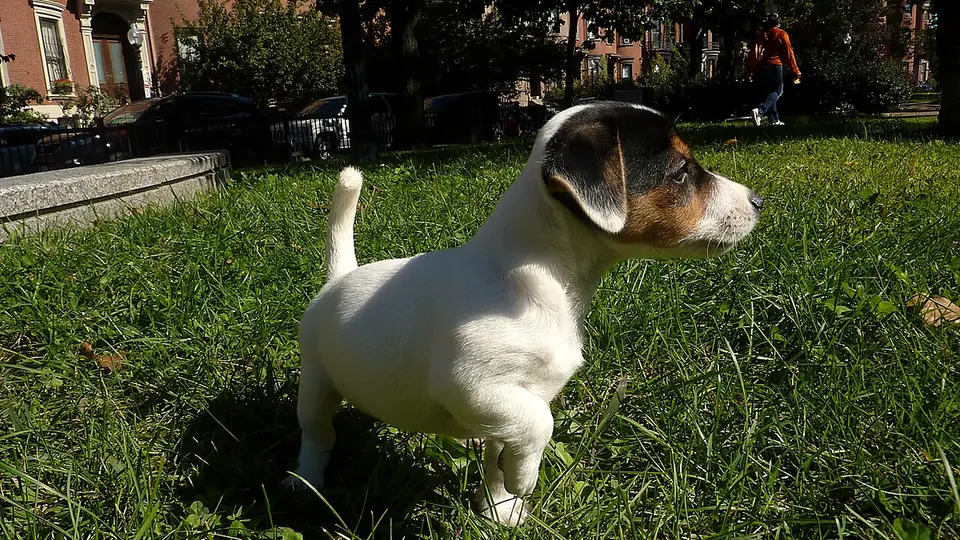
To potty train a puppy, take it to the same outdoor spot every time it wakes up, after every meal, after play or excitement, and at least every hour or two in between, then reward it the moment it finishes. Young puppies have small bladders and little control, so the job is less about teaching rules and more about getting them outside before they need to go. Accidents are normal; punishment is not. With a consistent routine, most puppies get there over a few weeks to a few months.
Why puppies need a routine, not a lesson
A young puppy does not yet know that indoors and outdoors are different places to toilet. The Royal Kennel Club describes puppies as having very poor bladder control and needing to urinate at least every hour or two, and notes they may wee spontaneously when excited. The RSPCA adds that dogs do not reach full bladder capacity until around 12 months of age.
The good news is that a young puppy's needs are fairly predictable. According to the Royal Kennel Club, puppies usually urinate within about fifteen minutes of eating and pass a stool within about half an hour. They also need to go immediately after waking. If you plan your day around those moments, most of the work is done.
When to take your puppy out
Build your day around these trigger points, which the RSPCA, PDSA and Royal Kennel Club all list:
- Straight after waking up, including after every nap. Carry a very young puppy out if it tends not to make it to the door.
- Shortly after each meal (and after a big drink).
- After play, training or any excitement, such as visitors arriving.
- Before you leave the house and when you come back.
- Last thing at night and first thing in the morning.
- Regularly in between. The RSPCA suggests every 45 minutes to an hour depending on age; the PDSA suggests every 2–3 hours during the day. Start at the shorter end and stretch the gaps as your puppy succeeds.
If you want a ready-made plan, the puppy potty schedule tool builds one from your puppy's age, wake-up time and bedtime. For the age-by-age numbers, see how often a puppy needs to pee.
Step by step: a potty trip that teaches something
- Go out with your puppy. Don't just open the door. The Royal Kennel Club advises against leaving the back door open for the puppy to come and go, because the garden then becomes a playground rather than a toilet.
- Use the same spot each time. The RSPCA recommends taking your puppy to the same place so the smell helps it understand what the spot is for.
- Stay calm and boring. Let your puppy sniff. Avoid play until it has been.
- Add a cue word while it goes. Saying a word such as "toilet" as your puppy starts to go lets you prompt it later. The Royal Kennel Club suggests different words for wee and poo.
- Reward immediately. The AKC recommends enthusiastic praise and a small, high-value treat the moment your puppy finishes, not once you're back inside.
- Don't head straight back in. The RSPCA suggests a short walk or play after it has been, so your puppy doesn't learn that toileting ends the fun.
Spotting the signs
Puppies often give a warning a few seconds before they go. The RSPCA lists fidgeting, sniffing around and starting to circle. When you see these, calmly pick your puppy up or lead it outside. Supervision indoors matters most in the first weeks: if you can't watch, limit your puppy to a small, easy-to-clean area.
Crates, pens and puppy pads
The AKC describes a correctly sized crate (room to stand, turn and lie down, but not so big the puppy can soil one end and sleep in the other) as a helpful house-training aid, because most puppies avoid soiling where they sleep. Rules differ by country, though: in Sweden, for example, it is not allowed to shut a dog in a crate indoors, even briefly; a crate at home may only be used as a bed with the door removed or fixed open (SKK). Check what applies where you live.
Puppy pads or newspaper can help overnight with very young puppies, but they teach a puppy that indoors is sometimes fine. If you use them, move towards outdoor-only as soon as you can.
Accidents happen: how to handle them
Every source agrees on one thing: don't punish. The PDSA puts it simply: an accident means the puppy wasn't given enough chances to go outside. Shouting or rubbing its nose in it only teaches the puppy that toileting in front of you is risky, so it may start hiding to go.
If you catch your puppy mid-accident, calmly interrupt it (the RSPCA suggests calling its name), take it outside, and praise it if it finishes there. Then clean thoroughly:
- Avoid ammonia-based cleaners. The Royal Kennel Club notes they smell similar to urine and can draw your puppy back to the same spot.
- Use a cleaner that removes the smell. The RSPCA suggests a warm solution of biological washing powder (one part powder to nine parts water), then rinsing with water. Test on a hidden patch first.
If accidents keep happening in the same pattern, our guide to house-training accidents goes through the common causes.
Night-time potty training
The Royal Kennel Club says it is unfair to expect a very young puppy to last the whole night. Plan one or more night-time trips at first, keep them quiet and dull (no play, low light), and go straight back to bed. As your puppy grows, you can usually push the last trip later and the first one earlier. Our guide to the first night home covers the overnight routine in more detail.
Keep a simple record
The Royal Kennel Club suggests keeping a diary of when your puppy eats, sleeps, wees and poos. After a few days you will see your own puppy's pattern, which is far more useful than any general rule. This is exactly what logging in DogsLife is for: tap when your puppy pees, poos, eats or naps, and the app learns the rhythm and suggests when the next potty break is likely due.
When to talk to your vet
Call your vet if your puppy suddenly starts going much more often, strains, has blood in its urine, seems to be in pain when it goes, or drinks far more than usual. The Royal Kennel Club lists urinary tract infections, among other conditions, as causes of frequent peeing in puppies. Training can't fix a medical problem, so it's worth ruling one out.
Frequently asked questions
How long does it take to potty train a puppy?
It varies a lot. The PDSA and the AKC both note that some puppies pick it up within days while others need several months, and the RSPCA points out that dogs do not have full bladder capacity until around 12 months old.
How often should I take my puppy outside?
The Royal Kennel Club says young puppies need to urinate at least every hour or two, plus straight after waking, soon after eating and after play. Our potty schedule tool turns that into a day plan.
Should I punish my puppy for peeing inside?
No. The Royal Kennel Club, RSPCA and PDSA all advise against punishment: it can make a puppy afraid to toilet in front of you, which makes outdoor training harder.
What should I clean accidents with?
Avoid ammonia-based cleaners, which the Royal Kennel Club notes smell similar to urine. The RSPCA suggests a warm solution of biological washing powder, then rinsing with water.
Sources
- How do I toilet train my dog? — The Royal Kennel Club
- How to potty train a puppy — American Kennel Club
- How to toilet train your puppy or dog — RSPCA
- Toilet training your puppy — PDSA
- Hund i bur (dogs in crates, Swedish rules) — Svenska Kennelklubben (SKK)