 DogsLife
Guide
How often does a puppy need to pee? By age
Very young puppies often need to pee every 30–60 minutes while awake; by 3–6 months many can wait about 3–4 hours, and from 6 months about 4–6 hours.
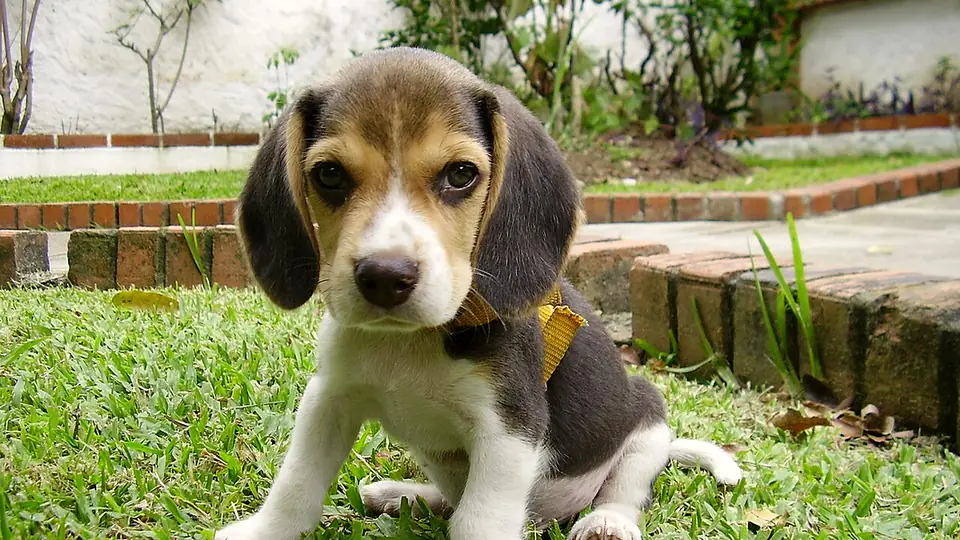
Very young puppies typically need to pee around every 30 minutes to an hour while they are awake. Puppies aged 3–6 months can usually hold on for about 3–4 hours, and from about 6 months most manage 4–6 hours between toilet breaks (figures from the Royal Kennel Club). On top of that, almost every puppy needs to go straight after waking, soon after eating, and after play. Those trigger points matter more than the clock.
Puppy pee frequency by age
These are typical daytime gaps for a healthy puppy, not targets. Small breeds, very active puppies and hot days can all mean more frequent trips.
| Age | Typical gap while awake | Source |
|---|---|---|
| Very young puppies (first weeks home) | About 30–60 minutes | Royal Kennel Club |
| 3–6 months | About 3–4 hours | Royal Kennel Club |
| 6 months and older | About 4–6 hours | Royal Kennel Club |
| Rule of thumb | About 1 hour per month of age, up to roughly 9–12 months | AKC |
The two rules don't line up perfectly, and that's fine: they're starting points. The RSPCA reminds owners that dogs don't have full bladder capacity until around 12 months, so a 4-month-old that can "technically" wait 4 hours will still have accidents if you stretch it.
| Age | Hours (rule of thumb) |
|---|---|
| 2 months | 2 h |
| 3 months | 3 h |
| 4 months | 4 h |
| 5 months | 5 h |
| 6 months | 6 h |
| 7 months | 7 h |
| 8 months | 8 h |
| 9 months | 9 h |
The AKC rule of thumb from the table above, up to roughly 9–12 months. Treat it as an upper limit, not a target: puppies that are awake, playing, eating or drinking need to go far more often, and the RSPCA notes that dogs don't have full bladder capacity until around 12 months.
The moments that matter more than the clock
Puppy bladders respond to what's happening, not just to time passing. The Royal Kennel Club and the RSPCA list the same triggers:
- Waking up. Puppies need to wee immediately after waking, including after short naps.
- Eating. Puppies usually urinate within about fifteen minutes of eating and pass a stool within about half an hour.
- Drinking a lot. A big drink after play often means a trip outside soon after.
- Play and excitement. Active puppies pee more, and the Royal Kennel Club notes that excitement alone can make a puppy wee.
- Coming and going. The RSPCA suggests a trip before you leave and when you get home.
The practical version: take your puppy out at each trigger, and in the gaps between them use the age table above. Our puppy potty schedule tool combines both into a day plan.
How many times a day is normal?
There isn't one right number, because it depends on age, size, food and activity. As a starting point, the RSPCA suggests taking a young puppy out every 45 minutes to an hour, and the PDSA suggests every 2–3 hours during the day, plus all the trigger moments. Add those up and a young puppy can easily need a dozen or more trips a day, which the AKC also mentions. Expect that number to drop steadily over the first months.
How long can a puppy go at night?
Puppies usually manage longer stretches overnight than during the day, because they're asleep and not eating, drinking or playing. Even so, the Royal Kennel Club says it's unfair to expect a very young puppy to last the whole night. A common approach:
- Take your puppy out last thing before bed.
- Plan one (or more) quiet night trips at first; set an alarm rather than waiting for crying.
- Keep night trips boring: low light, no play, straight back to bed.
- Over the following weeks, gradually push the night trip later until your puppy sleeps through.
If your puppy is reliably dry in the morning for a week or so, try skipping or delaying the night trip. If accidents return, go back a step. See the first night home guide for the full bedtime routine.
Learn your own puppy's rhythm
Tables give you a starting point, but each puppy has its own pattern. Logging every pee and poo for a few days, along with meals and naps, shows you the real gaps: maybe your puppy always needs to go 20 minutes after breakfast, or can comfortably last longer in the afternoon. In DogsLife that takes one tap per event, and the app uses the log to predict when the next potty break is likely due, so you can get ahead of accidents instead of reacting to them.
Signs frequent peeing could be medical
Frequent peeing is usually just normal puppy biology. But the Royal Kennel Club lists several conditions that can cause it, including urinary tract infections, diabetes, bladder stones and kidney disease. Talk to your vet if you notice:
- a sudden change in how often your puppy pees, especially after it had been improving;
- straining, peeing tiny amounts very often, or crying while peeing;
- blood in the urine, or urine that looks cloudy;
- drinking much more than usual;
- other signs such as lethargy, loss of appetite or weight loss.
None of these mean something serious is wrong, but they're worth a check, and a vet can test a urine sample quickly.
Tips to make fewer trips work
- Feed at regular times. The Royal Kennel Club lists irregular feeding among common house-training mistakes; fixed mealtimes make toileting more predictable.
- Plan around water, don't take it away. Schedule a trip after big drinks, and ask your vet before limiting water.
- Stretch gaps gradually. Lengthen the gaps a little at a time once your puppy succeeds consistently, rather than jumping straight to the next row of the table.
- Reward outside, every time. Praise and a treat the moment your puppy finishes teaches it where to go. Our potty training guide has the full step-by-step method.
Frequently asked questions
How long can an 8-week-old puppy hold its pee?
Not long. The Royal Kennel Club says very young puppies pee around every 30 minutes to an hour, so plan frequent trips while your puppy is awake, plus one straight after every nap and meal.
Is the 'one hour per month of age' rule accurate?
It's a rough guide. The AKC says puppies can generally hold it for about as many hours as their age in months, up to roughly 9–12 months. Treat it as an upper limit, not a target.
Why does my puppy pee so often after drinking or playing?
Small bladders fill quickly, and the Royal Kennel Club notes that active, excited puppies pee more often. Eating also triggers the urge: puppies usually wee within about fifteen minutes of a meal.
When is frequent peeing a reason to see the vet?
If it changes suddenly, or comes with straining, blood, cloudy urine, much more thirst, or your puppy seems unwell. The Royal Kennel Club lists urinary tract infections, diabetes, bladder stones and kidney disease among possible causes.
How often does a puppy need to pee at night?
Young puppies usually can't last the whole night, so plan one quiet trip and move it later as your puppy grows. While resting, the AKC's rough upper limit of about one hour per month of age applies. See puppy's first night home.
Sources
- Why does my puppy pee so much? — The Royal Kennel Club
- How do I toilet train my dog? — The Royal Kennel Club
- How to potty train a puppy — American Kennel Club
- How to toilet train your puppy or dog — RSPCA
- Toilet training your puppy — PDSA