 DogsLife
Breed profile
Labrador Retriever: size, sleep, exercise and care
The world's favourite family retriever: friendly, trainable and almost always hungry. Labradors need lots of exercise and a careful eye on portion sizes.
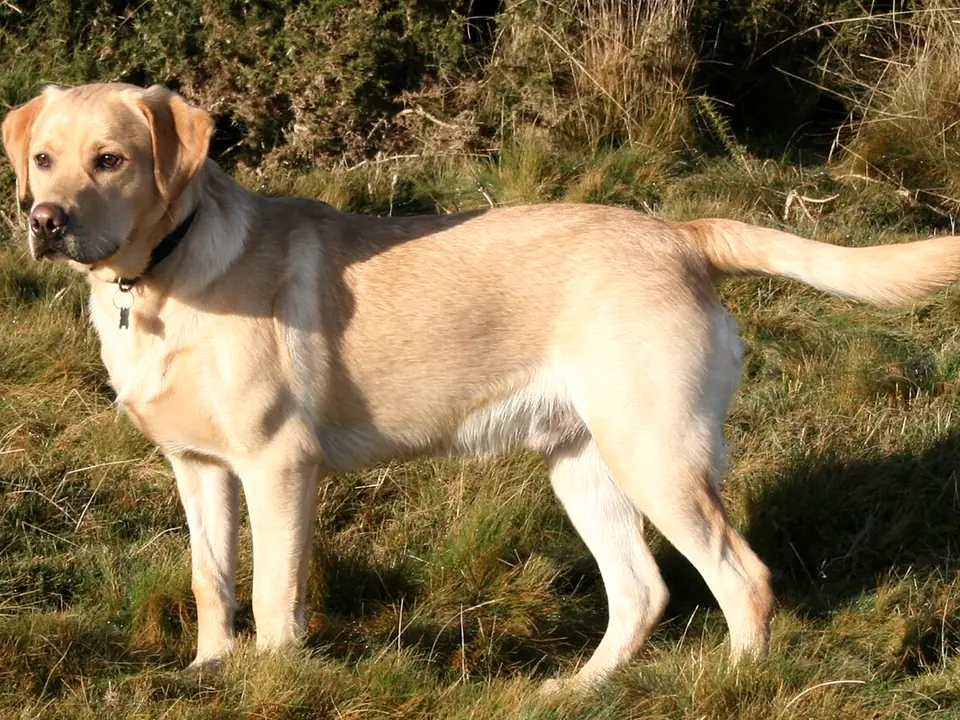
At a glance
- Size
- Large
- Adult weight
- 25–36 kg
- Height at the shoulder
- 55–62 cm
- Life expectancy
- 11–13 years
- Exercise needs
- High · 120+ min per day
Sleep needs
Typical total sleep per 24 hours, including naps.
| Puppy | Adult | Senior |
|---|---|---|
| 18–20 h | 12–14 h | 12–15 h |
These are general life-stage ranges for dogs from the AKC and Hill's; no study gives a separate figure for the Labrador Retriever. Individual dogs vary, and a sudden change in how much your dog sleeps is worth mentioning to your vet. Lab puppies often play until they drop, so scheduled naps help prevent overtired, bitey evenings.
Exercise needs
The Royal Kennel Club lists more than two hours of exercise a day for adult Labradors. Retrieving, swimming and sniffing walks are ideal, and training games use their brains. Keep exercise for growing puppies short and avoid lots of jumping until the joints are mature.
Potty training
Labradors are food-motivated and eager to learn, so reward-based house training usually goes smoothly. Take the puppy out after every sleep, meal and play session, and reward the moment it finishes.
Lab puppies grow quickly but their bladder control does not keep up straight away. Keep a steady schedule for the first months rather than judging by size.
Puppy potty schedule calculator →
Feeding
Labradors are known for their appetite, and many will happily eat far more than they need. Weigh every meal, count training treats as part of the day's food, and check the waistline regularly.
Use a large-breed puppy food for steady growth, three to four meals a day at first and two meals for adults. A slow feeder or scatter feeding slows down dogs that wolf their food.
Frequently asked questions
How much exercise does a Labrador need?
More than two hours a day for adults, according to The Royal Kennel Club. Puppies need much less, in short sessions.
Why is my Labrador always hungry?
Many Labradors are simply very food-driven. Feed measured meals, use food for training and watch body shape rather than begging.
Sources
- Labrador Retriever dog breed information — American Kennel Club
- Retriever (Labrador): breed information and exercise — The Royal Kennel Club
- Labrador Retriever breed guide — PDSA
- How much do puppies sleep? — American Kennel Club
- How much should my dog sleep per day? — Hill's Pet Nutrition
- Can senior dogs sleep too much? — American Kennel Club