 DogsLife
Guide
Puppy crying at night: why it happens and what to do
Night crying after the first night is still normal: your puppy usually needs the toilet, feels alone, or is hungry or uncomfortable. Check the need, settle it calmly and build independence slowly rather than leaving it to cry.
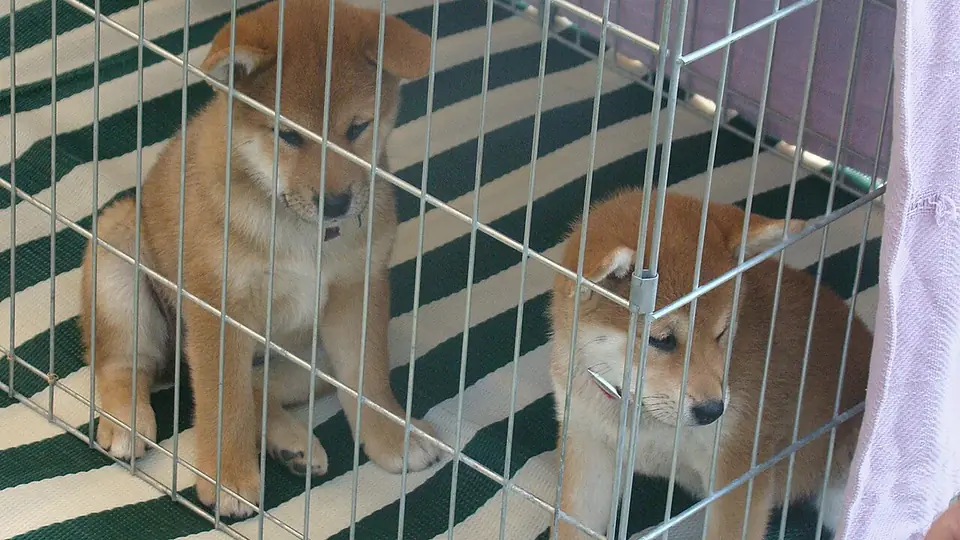
If your puppy is still crying at night after the first night, check the simple needs first (toilet, warmth, hunger), settle it back calmly with as little fuss as possible, and keep it close while you build its confidence slowly. The PDSA says it would never recommend ignoring a puppy that cries at night, and that young puppies often wake needing a toilet break. Crying in the first weeks is a phase most puppies grow out of, not a training failure. For night one itself, see your puppy's first night home.
Why puppies keep crying after the first night
Your puppy has spent its whole life sleeping in a pile of littermates next to its mum. The PDSA points out that it may fall asleep with you nearby in the evening, then wake up alone in the dark. The common reasons for crying are:
- The toilet. Many young puppies can't hold their bladder through the night yet (PDSA), and night-time toilet breaks may be needed for the first few weeks.
- Loneliness. The Royal Kennel Club says it takes time for a new puppy to adjust to sleeping alone, and that homesickness eases with time.
- Hunger. Puppies have small stomachs, and the Royal Kennel Club notes that whining can mean a puppy needs food.
- Discomfort. Agria Pet Insurance lists being too hot or too cold among the reasons a puppy cries.
- Too wound up to settle. A puppy that hasn't had enough rest during the day can struggle to switch off. See the overtired puppy guide.
Read the timing of the crying
When the crying starts tells you a lot. The AKC says crying that begins within minutes of going into a crate is likely stress or anxiety, especially in a puppy that hasn't learned to be alone yet. Crying after a puppy has been settled for a while is more likely to mean boredom, hunger or a need to go to the toilet.
So a puppy that protests at lights out probably needs reassurance. A puppy that wakes at 2 a.m. after sleeping soundly probably needs to go out.
A step-by-step plan for the weeks after
- Keep the same bedtime routine. The PDSA suggests an evening meal, a toilet trip and a final play, then a last toilet trip just before bed and a favourite chew or toy in the bed.
- Make the bed cosy and enclosed. An open, exposed bed can make a puppy feel vulnerable (PDSA). Soft toys help, as long as they can't be chewed up and swallowed.
- Stay close for now. If your puppy struggles to settle, the PDSA suggests sleeping in the same room while keeping the routine. If it sleeps in another room, Battersea suggests a baby monitor so you can hear it.
- When it cries, check the toilet first. Take it straight out, praise it quietly if it goes, and bring it back to bed.
- Settle it with minimal fuss. The PDSA advises no cuddles, chatting or play at night, apart from praise for toileting. Your being there is often enough.
- Move away gradually. Dogs Trust suggests starting in the same room and slowly moving away. If your puppy starts crying again, go back to the last step that worked and move more slowly.
Night-time toilet trips
Expect to get up at night for a while. Battersea says to expect and plan to be up every 3–4 hours, and the PDSA expects night toilet breaks in the first few weeks. Setting an alarm before your puppy usually wakes means it doesn't have to cry first.
Keep these trips dull: low light, no talking, no games. Battersea warns that midnight play sessions can create a bad habit. Our potty schedule tool plans the evening and morning trips around your bedtime, and how often a puppy needs to pee covers how long puppies can hold it.
What not to do
- Don't leave your puppy to cry it out. The PDSA says it can make a puppy more anxious about being alone, and that quiet doesn't mean it's OK.
- Don't shut your puppy in a crate at night if it isn't happy there. Dogs Trust advises against it, and the AKC says never to force a dog into a crate.
- Don't punish the crying. Agria Pet Insurance says not to, and the AKC says a crate should never be used as punishment.
- Don't turn wake-ups into playtime. Calm and boring keeps night for sleeping.
How long does it take?
There's no fixed timeline, and every puppy is different. Agria Pet Insurance says crying usually eases after a week or two, and can last longer if a puppy is left alone too quickly. The PDSA says puppies grow more confident gradually and become more likely to sleep through the night, but independence has to be taught slowly.
When to see a vet or behaviourist
The Royal Kennel Club says excessive or persistent crying is worth looking into, because it could point to a health problem. It also says trouble settling down when a puppy ought to be sleeping can be a cause for concern. Call your vet if your puppy seems to be in pain, or has an upset tummy, vomiting, lethargy or no appetite.
If the crying is about being alone rather than a physical need, Dogs Trust says your puppy may be struggling with separation anxiety. In that case, ask your vet for a referral to an accredited behaviourist.
Frequently asked questions
Should I let my puppy cry it out at night?
No. The PDSA says it would never recommend ignoring a puppy that cries at night, and warns that a puppy left to cry can become more anxious about being alone, even if it goes quiet. Check what it needs, then settle it calmly with little fuss.
How long does a puppy cry at night?
Every puppy is different. Agria Pet Insurance says crying usually eases after a week or two, and that it can last longer if a puppy is left alone too quickly.
Why does my puppy cry in the middle of the night?
Most often it needs the toilet: the PDSA notes many young puppies can't hold their bladder through the night yet. Other reasons are loneliness, hunger, or being too hot or cold.
When should I worry about my puppy crying at night?
The Royal Kennel Club says excessive or persistent crying is worth looking into, as it could point to a health problem. Call your vet if your puppy seems in pain or has vomiting, an upset tummy, lethargy or no appetite.
Sources
- Vet Q&A: Why do puppies cry at night? — PDSA
- Your first day (and night) with a new puppy — PDSA
- Why does my new puppy cry? — The Royal Kennel Club
- Why does my puppy sleep so much? — The Royal Kennel Club
- How to help your puppy get settled into your home — Dogs Trust
- Bringing your puppy home — Battersea
- How to crate train your dog in 9 easy steps — American Kennel Club
- How to stop a puppy from crying at night — Agria Pet Insurance