 DogsLife
Guide
Overtired puppy: signs and how to settle it
An overtired puppy rarely looks sleepy. It gets wilder: zoomies, hard mouthing, and play that won't wind down. The fix is usually a calm space and a nap, not more exercise.
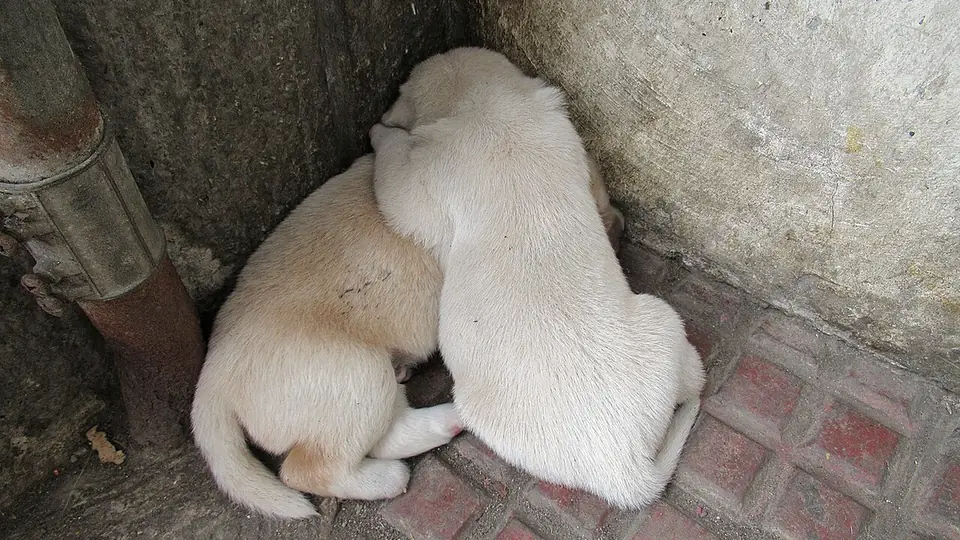
An overtired puppy usually doesn't look sleepy: it gets wilder. Signs include zoomies, mouthing and nipping that won't stop, play that keeps escalating, and an inability to settle. Dogs Trust explains that puppies need around 18–20 hours of sleep a day and that when they don't get enough, it often shows as exactly this kind of behaviour. The fix is rarely more exercise. It's a calm, quiet space and a nap.
Why overtired puppies get "wired", not sleepy
Puppies need a huge amount of rest. The Royal Kennel Club gives 15–20 hours a day for puppies aged 4–12 weeks and 14–16 hours at 3–6 months. Sleep is when a puppy's body grows and its brain processes everything it has experienced.
The trouble is that young puppies are poor at noticing when they're tired and putting themselves to bed, especially when the house is busy. The AKC notes that too much stimulation and exhaustion can lead to unfortunate behaviour. Instead of slowing down, many puppies speed up. Dogs Trust makes the key point: if your puppy has been fed, been to the toilet and had plenty of physical, mental and social activity, the wild behaviour probably means it's overtired, not under-exercised.
Signs your puppy is overtired
Look at the whole picture, not just one behaviour:
- Zoomies that seem frantic rather than joyful, especially late afternoon or evening.
- Mouthing and nipping that gets harder and harder to redirect. Dogs Trust lists mouthing as a classic sign of a puppy short on sleep.
- Play that escalates instead of winding down, even when you stop playing.
- Restlessness: lying down and getting straight up again, moving from spot to spot, or whining. The Royal Kennel Club lists restlessness and difficulty settling among sleep changes to watch.
- A long stretch awake. If you check and your puppy has been up and busy for longer than usual for its age, tiredness is the likely cause.
Context matters: a puppy that has just woken from a long nap and is bouncy is simply awake. A puppy that has been busy for a long time and is getting wilder is tired.
How to calm an overtired puppy right now
- Stop the game. Put toys away and stop talking in an excited voice. Don't try to tire your puppy out with more play or a walk; it adds fuel.
- Offer a quick toilet trip. A calm, boring trip outside rules out a full bladder as the reason it can't settle.
- Take your puppy to its sleeping spot. A quiet, dim area works best. The Royal Kennel Club recommends a cosy corner that is quiet, safe and comfortable.
- Give it something calming to do. Dogs Trust suggests safe long-lasting chews or lick mats to help dogs relax. Chewing and licking are soothing.
- Be dull and stay nearby. Sit quietly, avoid eye contact games and let your puppy drift off.
- Redirect nipping calmly. If your puppy grabs hands or clothes, swap in a chew toy without fuss. Telling off an overtired puppy usually winds it up further.
Once your puppy is asleep, let it sleep. The PDSA advises trying not to wake a sleeping puppy.
How to prevent overtiredness
The real solution is to make sure your puppy gets enough rest before it hits the wall.
- Schedule naps. Dogs Trust recommends scheduling regular power naps and longer sleeps throughout the day rather than waiting for your puppy to crash.
- Follow activity with rest. The AKC notes puppies are likely to be ready for a nap after playtime or a walk. Build that into the routine: play, toilet, nap.
- Keep sessions short. The PDSA recommends plenty of rest between activities, and the AKC says several shorter play sessions suit puppies better than one long one.
- Protect busy days. Visitors, vet trips, car rides and new places are all tiring. Plan extra quiet time afterwards.
- Watch the busy hours. If your puppy's wild spells always come at the same time of day, plan a quiet nap just before that time.
Our puppy nap schedule shows how to fit naps around meals and potty breaks, and the puppy sleep calculator estimates how much sleep your puppy needs for its age.
Track awake time, not just sleep
It's easy to lose track of how long your puppy has actually been awake, especially with children or visitors around. If you log naps in DogsLife, you can see at a glance when your puppy last slept, and the app learns its rhythm and suggests when the next nap is likely due, so you can steer it to bed before the zoomies start.
Is it overtiredness or something else?
Overtiredness is common and harmless if you address it. But talk to your vet if:
- your puppy seems unable to settle even after rest, quiet and a toilet trip, day after day;
- the change in sleep or behaviour is sudden;
- your puppy seems excessively tired, or refuses to sleep (both on the Royal Kennel Club's list of things to watch);
- it is lethargic when awake, off its food, or has any difficulty breathing.
Mouthing that continues even when your puppy is well rested is normal puppy behaviour that needs training. A qualified, reward-based trainer can help.
Frequently asked questions
Why does my puppy get crazy and bitey in the evening?
Often because it's overtired. Dogs Trust explains that puppies short on sleep tend to show zoomies, wanting to play and mouthing, and that a puppy that has been fed, toileted and busy all day is probably overtired.
Should I exercise an overtired puppy more to tire it out?
No. Extra activity usually winds an overtired puppy up further. The PDSA stresses that puppies need plenty of rest between activities; aim for a calm space and a nap instead.
How do I get an overtired puppy to sleep?
Take it to its quiet sleeping spot, lower the light and noise, offer a calm chew, and stay boring. Dogs Trust suggests long-lasting chews or lick mats to help a dog relax.
How can I prevent my puppy from getting overtired?
Plan naps instead of waiting for a crash. Dogs Trust recommends scheduling regular power naps and longer sleeps through the day, and the AKC says naps after play or a walk are typical.
Sources
- Mouthing, nipping and puppy biting — Dogs Trust
- Helping a hyper or restless dog to calm down — Dogs Trust
- Why does my puppy sleep so much? — The Royal Kennel Club
- How much do puppies sleep? — American Kennel Club
- Exercising your puppy — PDSA