 DogsLife
Guide
Senior dog sleep changes: what's normal?
Most senior dogs sleep more than they used to, and that's normal. Sudden changes, restless nights, pacing or sleeping all day but waking at night are worth discussing with your vet.
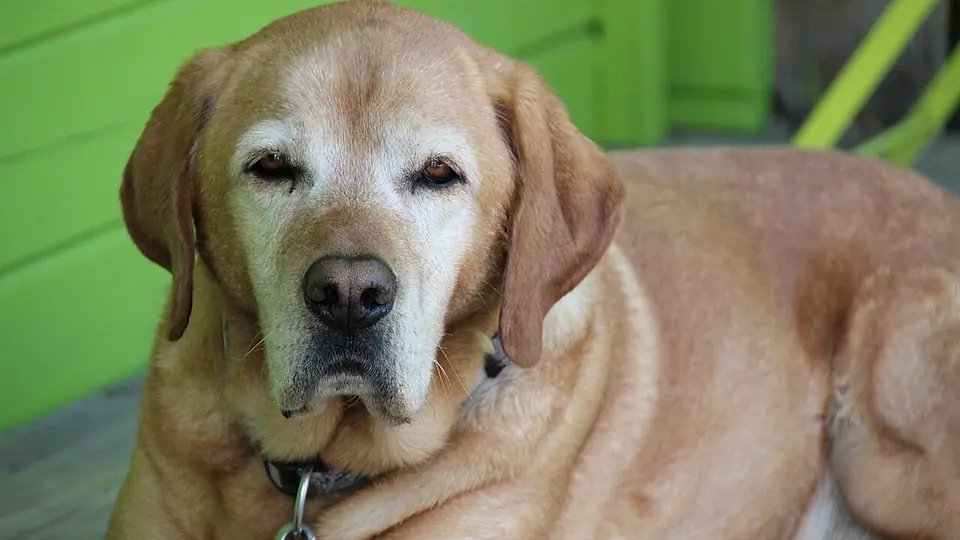
It's normal for senior dogs to sleep more than they used to: the AKC says most older dogs need more rest than younger dogs, and Dogs Trust notes that older dogs need even more than the 12–14 hours typical of adult dogs. What deserves a closer look is change: a sudden jump in sleep, restless nights, pacing, or a dog that sleeps all day and is awake at night. Those can point to pain, a medical problem or cognitive dysfunction, and many of these causes can be helped. Your vet is the right person to sort out which is which.
When is a dog a senior?
Dogs age at different rates depending on size. According to the AKC, large breeds such as Great Danes are considered seniors at around 6 years old, while small breeds such as Chihuahuas may not reach senior status until around 7–10 years. Check the typical lifespan for your dog's breed in our breed guides.
Normal sleep changes with age
As dogs age, it's common to see:
- more total sleep, including longer daytime naps;
- slower starts after rest, especially in dogs with stiff joints;
- a need for a little less exercise, which the PDSA notes is common in the senior years.
The AKC describes increased sleep as often a normal part of ageing. What matters is whether a change is gradual and fits the rest of the picture, or sudden and comes with other signs.
Sleep changes worth a vet check
Some changes are not simply "old age" and deserve a conversation with your vet:
- A sudden increase in sleep or a dog that seems lethargic when awake. The AKC recommends a vet visit for sudden increases.
- Restlessness at night: pacing, wandering, panting, whining or barking.
- Day-night reversal: sleeping much of the day and being awake at night.
- Needing to go out at night when your dog previously slept through.
- Trouble lying down or getting up, or frequently shifting position.
Common reasons for disturbed sleep in older dogs
Pain and stiffness
The PDSA notes that older dogs often develop arthritis and joint problems. The AKC explains that arthritis can make getting up from bed, squatting or walking to the door uncomfortable. A dog that's sore may struggle to settle, change position a lot or be reluctant to lie down. Pain is treatable, so it's worth raising with your vet.
Needing to pee more often
Several conditions more common in older dogs increase thirst or urine, including kidney disease, diabetes and Cushing's disease, according to the AKC. A dog that needs to go out at night will wake you, or may have accidents. See our guide to house-training accidents for more on causes.
Changes in sight and hearing
The PDSA lists loss of sight and hearing among common age-related changes. A dog that can't see or hear well may be more unsettled in the dark or more easily startled awake.
Cognitive dysfunction syndrome (CDS)
CDS is an age-related condition affecting the brain, which Cornell compares to Alzheimer's disease in people. Cornell says dogs typically develop it at around nine years or older, and that it may be underdiagnosed because the changes come on gradually. The AKC cites a study in which it affected 14% to 35% of dogs over 8 years old.
Disrupted sleep is one of the key signs. Cornell lists wandering the house at night and sleeping more during the day, and VCA describes dogs that sleep more during the day and then become restless and pace at night. Other signs, often grouped as DISHAA, include:
- Disorientation, such as getting lost in familiar places or staring blankly;
- changes in social Interactions, becoming clingy or withdrawn;
- Sleep–wake changes;
- House-soiling despite previous training;
- changes in Activity, such as restlessness or less play;
- Anxiety, new fears or irritability.
Both Cornell and VCA stress that the vet first needs to rule out other conditions, because arthritis, kidney disease and sensory loss, among others, can cause similar signs. If CDS is diagnosed, management can include diet, enrichment and medication; your vet will advise.
How to help a senior dog sleep well
- Keep a steady routine. VCA recommends consistent routines for dogs with cognitive changes; predictable meals, walks and bedtime help most older dogs.
- Keep days active, gently. The PDSA recommends "little and often" for senior dogs, with daily time outdoors even when long walks aren't possible.
- Exercise the brain too. VCA suggests practising old tricks, teaching new ones and using puzzle toys. The PDSA suggests scent games.
- Make the bed easy. A supportive bed in a quiet spot that's easy to get in and out of. VCA mentions ramps, better lighting and floor traction as useful changes.
- Toilet trip before bed. And easy access to a toilet area if your dog needs to go at night.
- Talk to your vet about pain. If your dog seems stiff or sore, ask whether pain relief could help it rest more comfortably.
Track changes over time
Changes in older dogs often creep in so slowly that they're hard to notice day to day. A simple log of sleep, night waking, toilet trips and walks makes trends visible: is your dog waking more nights than last month? Sleeping noticeably more after shorter walks? DogsLife keeps that record with a tap per event and shows how your dog's rhythm shifts over weeks, which is useful information to bring to your vet appointment.
Frequently asked questions
Is it normal for an old dog to sleep all day?
Sleeping more is a normal part of ageing: the AKC says most senior dogs need more rest than younger dogs, and Dogs Trust notes older dogs need more than the 12–14 hours typical of adults. A sudden increase, or sleepiness with other changes, is worth a vet check.
Why is my senior dog restless at night?
Possible reasons include pain such as arthritis, needing to pee more often, anxiety, or cognitive dysfunction. Cornell and VCA both describe sleeping more by day and being restless or wandering at night as a sign of cognitive dysfunction. Your vet can help work out which applies.
At what age is a dog a senior?
It depends on size. The AKC says large breeds such as Great Danes may be seniors at around 6, while small breeds such as Chihuahuas may not be seniors until about 7–10 years.
How can I help my old dog sleep better?
Keep a steady daily routine, give gentle exercise and mental stimulation during the day, make the bed easy to reach and comfortable, and offer a toilet trip before bed. Ask your vet about pain relief if your dog seems stiff or sore.
Sources
- Signs of aging in dogs: physical, mental and behavioral changes — American Kennel Club
- Cognitive dysfunction syndrome — Cornell University College of Veterinary Medicine
- Behavior counseling: senior pet cognitive dysfunction — VCA Animal Hospitals
- What causes house-training accidents in older dogs? — American Kennel Club
- Exercising your senior dog — PDSA
- Helping a hyper or restless dog to calm down — Dogs Trust