 DogsLife
Guide
Puppy biting and teething: how to stop it (and when it ends)
Mouthing and nipping are normal puppy behaviour, made worse by sore teething gums and by tiredness. Stay calm and still, give your puppy something better to chew, and make sure it sleeps enough.
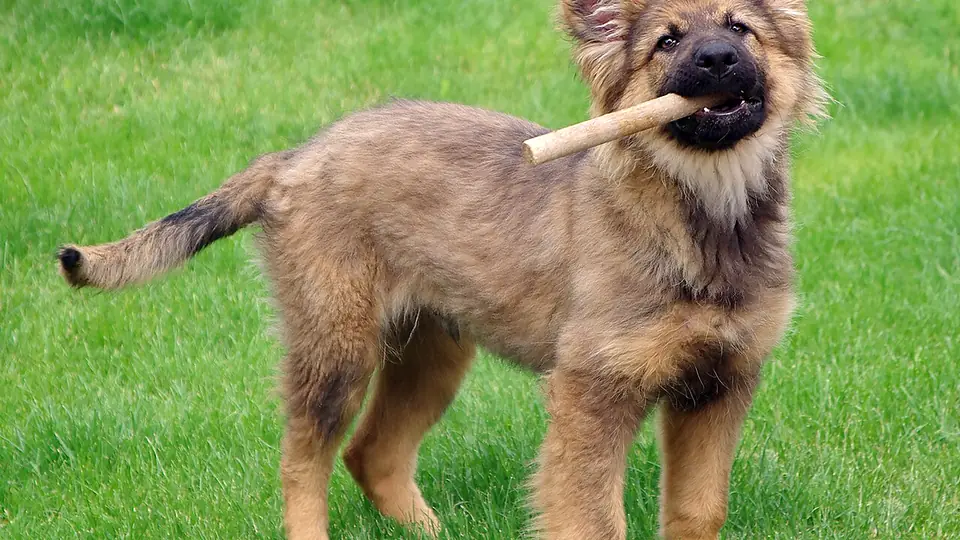
Puppy biting is normal and usually fades with age: Battersea says most puppies stop mouthing by around five to six months, and Dogs Trust says it typically eases after around seven months, once teething is over. Until then, stay still and calm when teeth touch skin, give your puppy something better to chew, and make sure it gets enough sleep. Shouting, pulling away and rough play all tend to make it worse.
Why puppies bite
Mouthing is how puppies explore, play and make sense of the world. Dogs Trust calls it a normal part of development, and The Royal Kennel Club describes mouthing, biting and grabbing at clothing as natural behaviours. Common triggers, according to Battersea and Dogs Trust, include:
- excitement, for example when visitors arrive or a game gets wild;
- tiredness, especially being handled when the puppy needs a nap;
- frustration when play stops or the puppy can't settle;
- sore gums while teething;
- attention: if nipping has earned play or a reaction before, the puppy will try it again.
That last point is the key to stopping it. Puppies repeat what works (The Royal Kennel Club), so your job is to make biting boring and gentle behaviour rewarding.
How to stop puppy biting
- Freeze. When teeth touch skin or clothes, stop moving and keep your hands still. Dogs Trust and Battersea both warn that pulling away quickly turns it into a game.
- Remove the fun. If your puppy keeps going, turn away and fold your arms, standing up if you're on the floor (Dogs Trust).
- Take a short time-out. If that doesn't work, step out of the room for a few seconds, using a door or stairgate if your puppy follows. Battersea recommends keeping time-outs short and consistent and going back once your puppy is calm.
- Redirect. When your puppy is calm again, offer a toy or chew, scatter a few treats on the floor, or restart gentle play.
- Get in first. If you know a nippy moment is coming, offer a toy before your puppy reaches your hands (The Royal Kennel Club). Keep toys in every room so one is always within reach (AKC).
- Reward calm. Praise and reward all four paws on the floor, a sit, or choosing a toy (Battersea).
Everyone in the house needs to follow the same rules, or your puppy will keep testing.
What not to do
- Don't shout, scold or push your puppy away. Dogs Trust says punishment can increase fear and frustration, and the AKC advises never to hit or smack a puppy for biting.
- Don't play wrestling or hand games, even as a joke (Dogs Trust).
- Don't wave hands or loose clothing about. Flapping sleeves and quick movements invite chasing and nipping (The Royal Kennel Club, AKC).
Some trainers suggest a high-pitched "ouch" to teach a softer bite (AKC), but The Royal Kennel Club warns that yelping can make the game more exciting. If it winds your puppy up, skip it and just go still.
Tiredness makes biting worse
A lot of "naughty" biting is really a puppy that needs sleep. Dogs Trust says puppies need 18–20 hours of sleep a day, and that overtired puppies often show extra energy, zoomies and more mouthing. The AKC also says overtired puppies are mouthier. If your puppy has been fed, been to the toilet and played, and is suddenly biting everything, the answer is usually a nap, not more play. Read our guide to the overtired puppy for the signs and how to settle it.
Dogs Trust recommends scheduling short naps and longer sleeps through the day, especially after walks, play and training. Our puppy nap schedule shows how to fit them around meals and potty trips.
Teething: when teeth change
Teething adds sore gums to the normal urge to mouth. Sources give slightly different ages, and every puppy is a bit different:
| Stage | What happens |
|---|---|
| Around 2–4 weeks | Baby teeth start coming in (AKC); Dogs Trust says around four weeks |
| Around 5–6 weeks | About 28 baby teeth are in (AKC) |
| Around 12–16 weeks | Baby teeth start falling out (AKC); Dogs Trust says from around 12 weeks |
| Around 16 weeks | Battersea says teething is most noticeable as adult teeth come through |
| About 6–7 months | Teething finished: about 42 adult teeth (AKC); Dogs Trust says by seven months, varying with size |
Signs include extra drooling and finding tiny lost puppy teeth around the house (Dogs Trust). The AKC says you may also see small spots of blood on toys. If any baby teeth are still in place once the adult teeth are through, tell your vet, as they may need to be removed (AKC).
Safe chews for a teething puppy
Give your puppy plenty of things it is allowed to chew, and swap them every few days so they stay interesting (Dogs Trust, The Royal Kennel Club).
- Rubber teething toys, including ones you can put in the freezer (AKC).
- Stuffed food toys such as a Kong, plus rope and soft toys (Battersea).
- The right firmness. The PDSA suggests chews soft enough that your fingernail leaves a dent; harder items can fracture teeth.
- The right size. Chews should be bigger than your puppy's throat (PDSA).
Avoid:
- Rawhide, which can splinter into swallowable pieces (PDSA);
- Bones, which can break teeth and cause blockages (PDSA);
- Sticks, which the AKC calls potentially hazardous;
- Damaged toys. Check toys for loose parts or stuffing and replace them (Dogs Trust, AKC).
Soft toys, tennis balls and tug ropes are for supervised play only (PDSA). Don't use human toothpaste on your puppy: it can contain xylitol, which is toxic to dogs (AKC).
Puppies and children
Children running and squealing are a classic trigger. Battersea recommends close supervision and teaching children to move calmly, use quiet voices and offer a toy instead of their hands. If mouthing starts, the child steps away or the puppy gets a short break. Dogs Trust suggests wellington boots to protect little feet and ankles.
When to get help
Most puppies improve within a few weeks of consistent training (Battersea). Get help if:
- the biting is getting more frequent or intense instead of less (Battersea);
- it seems driven by fear or frustration (Dogs Trust);
- it starts suddenly, or improves and then comes back: Dogs Trust says this can be a sign of illness or discomfort, so see your vet;
- someone is injured, or the biting looks aggressive. Dogs Trust advises seeking help urgently.
A qualified, reward-based trainer or behaviourist can help. Battersea suggests keeping a daily record of routines and biting episodes to show them, which makes patterns much easier to spot.
Frequently asked questions
At what age do puppies stop biting?
Battersea says most puppies stop mouthing by around five to six months, and Dogs Trust says it typically reduces after around seven months, once teething is finished. Larger breeds can carry on longer, sometimes up to 18–24 months (Battersea).
When do puppies lose their baby teeth?
The AKC says baby teeth start to shed at around 12–16 weeks and teething is usually finished by about six months. Dogs Trust says adult teeth have usually all arrived by seven months, varying with size.
Should I yelp when my puppy bites?
Advice differs. The AKC suggests a high-pitched "ouch" to teach a softer bite, but The Royal Kennel Club warns that yelping, scolding or pulling away can make the game more fun. If a yelp winds your puppy up, stay still and step away instead.
Why is my puppy so bitey in the evening?
Often because it's overtired. Dogs Trust says overtired puppies show extra energy, zoomies and more mouthing, and recommends regular naps. See our overtired puppy guide.
Sources
- Mouthing, nipping and puppy biting — Dogs Trust
- How do I stop my puppy biting? — The Royal Kennel Club
- How to stop a puppy mouthing or biting — Battersea
- How to Stop Puppy Mouthing and Teach Better Bite Habits — American Kennel Club
- Puppy Teething Timeline: How Long Does Puppy Teething Last? — American Kennel Club
- Puppy Teething and Nipping: A Survival Guide — American Kennel Club
- How to train my dog not to chew my things — PDSA